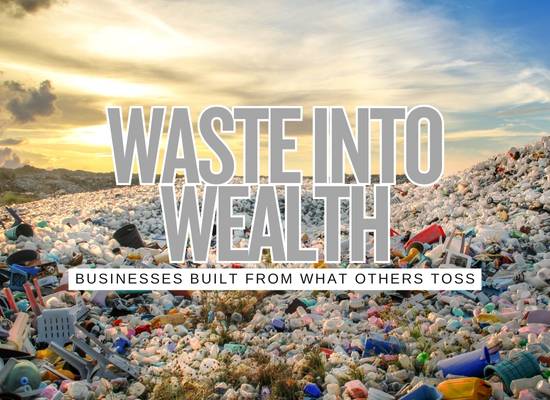

What if your next product wasn’t made from something new—but from something forgotten? Across the globe, visionary entrepreneurs are salvaging the discarded, the overlooked, and the obsolete to build powerful brands with soul. This isn’t just recycling. It’s rethinking the raw material of business itself.
From freeway billboards to construction debris, what used to be junk is now the centerpiece of fashion, design, and commerce. These aren’t gimmicks—they’re smart, scalable businesses with global followings. Here are the pioneers turning trash into trademark.
1️⃣ Freitag: Bags Made from Old Truck Tarps
The Concept:
Founded in Zurich in 1993, Freitag collects used European truck tarpaulins—grimy, weather-worn, and built to last—and transforms them into durable, eye-catching messenger bags and backpacks. Each one is unique in color and texture, shaped by years on the road.
Function:
- Sourcing is sustainable and abundant. Used tarps are widely available across Europe, and Freitag partners with logistics companies to collect them.
- The material is tough and waterproof, making it perfect for commuter gear.
- Visual uniqueness creates demand. No two bags are alike, turning waste into limited-edition art.
- Customers buy the story. Every product includes details about the tarp’s origin and journey.
Trademark Detail:
Freitag’s stores are built from recycled shipping containers — reinforcing the brand’s commitment to reuse at every level.
2️⃣ Rust Designs: Vintage Plates Reimagined into Modern Tableware
The Concept:
Founded by artist and entrepreneur Shannon Rust in the early 2000s, Rust Designs began as a one-woman operation reimagining vintage porcelain dishes. Using screen-printing and kiln techniques, she created modern, personalized graphics layered onto antique dinnerware — a blend of nostalgia and clean design.
Function:
- Saves vintage plates from landfills. Rust sourced outdated or mismatched porcelain from estate sales and thrift shops.
- Overlaying modern graphics made each piece a mix of retro and current.
- Strong gifting appeal. Personalized nameplates, wedding sets, and family heirlooms kept demand steady.
- Small-batch production allowed full home-based operation.
Trademark Detail:
Her work was featured in Real Simple and Better Homes and Gardens, building credibility through design-focused media.
3️⃣ Elvis & Kresse: Luxury Accessories from Fire Hoses
The Concept:
Founded in the UK in 2005, Elvis & Kresse transforms decommissioned fire hoses — once used by British fire brigades — into luxury bags, belts, wallets, and home goods. The material is striking, durable, and tells a heroic story.
Function:
- Fire hoses are non-biodegradable, making them difficult to dispose of — this gives the brand a clear environmental mission.
- The hose’s rugged texture translates beautifully into high-end accessories with a distinct aesthetic.
- Partnerships with fire departments provide steady material sourcing.
- 50% of profits are donated to firefighter charities, tying the product directly to a cause.
Trademark Detail:
Elvis & Kresse has also expanded into using reclaimed leather offcuts from Burberry’s production line — showing how waste from luxury can be turned into luxury.
4️⃣ TerraCycle: Recycling the “Unrecyclable”
The Concept:
Founded by Tom Szaky, TerraCycle takes items traditional recycling systems reject — toothpaste tubes, chip bags, cigarette butts — and turns them into raw materials for consumer products like park benches, planters, and reusable bags.
Function:
- Focuses on post-consumer waste that’s otherwise landfill-bound.
- Partners with major brands (e.g., Colgate, BIC, Nestlé) to fund collection and processing.
- Earns revenue from both waste management contracts and product resale.
- Operates globally, proving the model scales across regulatory environments.
Trademark Detail:
TerraCycle’s success spawned the Loop program, which reuses containers for consumer goods in a circular delivery model — expanding their brand’s reach while staying rooted in reuse.
5️⃣ Rewilder: Fashion from Industrial Filter Cloth
The Concept:
Los Angeles-based Rewilder creates bags and accessories from industrial-grade filter cloth used in beer brewing and chemical manufacturing. Once discarded after use, this material becomes the backbone of stylish, utilitarian gear.
Function:
- Filter cloth is durable, structured, and abundantly wasted — perfect for functional fashion.
- Products are handmade in small batches, keeping overhead low and output sustainable.
- Each item retains markings or wear, giving it visual character without needing dyes or printing.
- Industrial-to-fashion storytelling appeals to both sustainability-minded and design-conscious buyers.
Trademark Detail:
Their branding leans heavily into transparency — showing photos of the actual factories and filter cloth piles where raw materials are sourced.
6️⃣ Gumdrop: Products Made from Chewed Gum
The Concept:
Founded by Anna Bullus in the UK, Gumdrop collects discarded chewing gum and processes it into a synthetic rubber called Gum-tec. This material is then used to create products like boots, phone cases, coffee cups, and even soles for shoes.
Function:
- Used gum is a major urban waste problem — notoriously hard to clean and slow to biodegrade.
- Gum-tec can be molded like plastic, offering wide product versatility.
- Gumdrop bins placed in cities incentivize proper disposal while doubling as collection points.
- Closed-loop system: they manufacture, collect, and re-manufacture in a sustainable cycle.
Trademark Detail:
Their bright pink gum collection bins have become part of urban visual culture in parts of London — a branding win in public space.
7️⃣ Sword & Plough: Military Surplus Reimagined
The Concept:
Founded by two sisters, one of whom is a U.S. Army veteran, Sword & Plough repurposes military surplus materials — such as canvas tents, parachutes, and wool blankets — into bags, rucksacks, and accessories.
Function:
- Materials are rugged, weather-resistant, and storied, adding authenticity to every piece.
- Strong mission ties to veteran empowerment — they hire veterans and donate a portion of profits.
- Production partners include veteran-run manufacturing companies, reinforcing their mission beyond marketing.
- Each product tells a story, often including the history of the material used.
Trademark Detail:
The brand name itself references the transformation of military tools into peaceful civilian use — a poetic symbol turned into commerce.
8️⃣ Tonlé: Zero-Waste Fashion from Factory Scrap
The Concept:
Cambodia-based fashion brand Tonlé creates clothing and accessories from pre-consumer textile waste — offcuts, end-of-rolls, and flawed fabric discarded by mass manufacturers.
Function:
- The fashion industry produces millions of tons of textile waste annually, which Tonlé turns into a full design ecosystem.
- Garments are designed backward — they start with what’s available and create collections from existing material flows.
- Uses every last scrap: leftovers are turned into yarn, then accessories or home goods.
- Empowers local artisans, creating jobs while minimizing environmental harm.
Trademark Detail:
Tonlé tracks and reports its waste diversion and water use savings publicly — turning sustainability into a quantifiable, branded asset.
♻️ The Future of Business Might Be in the Bin
In a world obsessed with what’s next, these entrepreneurs are thriving by looking at what’s been left behind. They don’t just reduce waste — they redefine value. These are not novelty brands or side projects. They are market-moving, margin-making, mission-driven ventures, proving that sustainability doesn’t have to mean sacrifice — it can be style, function, and profit in one.
As climate challenges grow and consumers demand purpose alongside product, expect this model to grow: businesses that mine the overlooked, elevate the discarded, and turn trash into something trademarkable.
Because the most valuable thing in the room… might just be what everyone else walked past.