
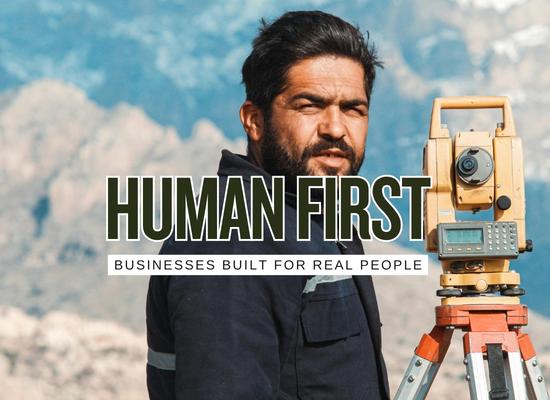

The strongest small businesses over the next decade are not necessarily the ones least touched by AI. They are the ones built around physical work, local trust, licensed judgment, hands-on care, unpredictable real-world environments, or relationship-heavy service that people still want delivered by another person. Current labor research points in that direction. The OECD notes that jobs most exposed to AI tend to include many high-skill cognitive tasks rather than all work broadly, while the ILO and Brookings both stress that exposure is not the same thing as full replacement and that effects vary sharply by task, sector, and adoption context. At the same time, U.S. labor projections continue to show strong demand in many repair, care, installation, and field-service categories that are rooted in physical presence and human judgment.
51 small businesses AI wont or shouldnt dominate during the next decade
AI will change almost every business, but that is different from dominating every business. Many of the most durable small-business categories still depend on site visits, manual dexterity, local trust, regulation, accountability, empathy, or rapid decisions in messy physical settings.
The 51 businesses
This list is not arguing that AI will have no effect. It will. The point is that these businesses are less likely to be dominated by AI because their value comes from real-world execution, personal trust, or regulated hands-on judgment.
Home, property, and repair work
These businesses operate in unpredictable physical environments. Every building is different. Access is different. Damage is different. The work often requires diagnosis on site, manual skill, compliance, and customer reassurance.
1️⃣ Electrician
High-stakes, code-sensitive work in unpredictable buildings. AI can help with estimates and load calculations, but customers still need a licensed human on site.
2️⃣ Plumber
Leaks, clogs, pressure issues, and emergency repairs happen in cramped, variable conditions where manual execution matters.
3️⃣ HVAC contractor
Troubleshooting comfort systems blends diagnostics, physical repair, refrigerant handling, and local service responsiveness.
4️⃣ Roofer
Weather exposure, safety risk, insurance coordination, and roof-by-roof variation make this hard to digitize into a dominant AI-only model.
5️⃣ General handyman service
Small repair jobs thrive because customers want one reliable person who can solve mixed household issues in one visit.
6️⃣ Garage door installation and repair
Springs, motors, alignment, and safety sensors still require skilled in-person work and quick local response.
7️⃣ Appliance repair
Diagnosis can be partially software-assisted, but the revenue still comes from physically opening, testing, fixing, and restoring equipment.
8️⃣ Water damage restoration
Urgency, moisture mapping, tear-out, drying, sanitation, and insurer coordination make this deeply real-world and time-sensitive.
9️⃣ Mold remediation
Inspection, containment, removal, and health-risk communication all depend on trust and careful site execution.
🔟 Pest control
Success depends on inspection, local patterns, treatment judgment, and repeated relationship service rather than one static digital answer.
1️⃣1️⃣ Locksmith
Emergency access, rekeying, security hardware work, and local response keep this grounded in physical execution.
1️⃣2️⃣ Septic service
Pumping, inspection, repairs, and rural property logistics are practical, dirty, and site-specific in a way software does not dominate.
Outdoor, field, and site services
These jobs live in changing weather, changing terrain, and changing customer expectations. AI can optimize routes and back-office work, but it still cannot replace crews that physically do the job.
1️⃣3️⃣ Landscaping
Design taste, upkeep, crew management, weather timing, and physical execution keep this human-led.
1️⃣4️⃣ Tree service and arborist work
High-risk climbing, removal, trimming, storm response, and property-specific judgment are hard to automate fully.
1️⃣5️⃣ Irrigation installation and repair
Local layouts, soil, drainage, pressure issues, and seasonal service make this a practical field business.
1️⃣6️⃣ Hardscaping and paver installation
Stone, slope, grading, drainage, and visual finish all require craft and on-site adjustment.
1️⃣7️⃣ Fence installation and repair
Property lines, terrain, gates, materials, and neighborhood-specific expectations keep this highly physical.
1️⃣8️⃣ Pool maintenance and repair
Chemistry may become more automated, but cleaning, repairs, leak checks, equipment swaps, and client trust remain local service work.
1️⃣9️⃣ Pressure washing
Surface judgment, equipment handling, stain response, and local scheduling matter more than AI content generation ever will.
2️⃣0️⃣ Junk removal
Labor, hauling, sorting, awkward spaces, and same-day service make this a hands-on local logistics business.
2️⃣1️⃣ Moving company
Packing, lifting, stairs, fragile items, timing, and customer anxiety require reliable people more than a chatbot.
Personal care and appearance services
These categories are partly technical and partly emotional. People buy comfort, familiarity, confidence, and a personal relationship, not just an output.
2️⃣2️⃣ Barber shop
Haircuts are tactile, visual, and relationship-driven. Regulars often return because they trust a specific person.
2️⃣3️⃣ Hair salon
Color, texture, face shape, style judgment, and client trust keep this deeply human.
2️⃣4️⃣ Nail salon
Precision hand work, design preference, hygiene, and repeat personal relationships keep the business grounded in human service.
2️⃣5️⃣ Esthetician or skincare studio
Consultation, treatment comfort, skin variability, and trust matter as much as product selection.
2️⃣6️⃣ Massage therapy practice
Touch, intuition, physical technique, and the client’s sense of safety make this a poor fit for AI domination.
2️⃣7️⃣ Tattoo studio
AI may help sketch concepts, but customers still choose a human artist for design translation, technical execution, and trust.
2️⃣8️⃣ Bridal hair and makeup
Emotion-heavy events, high expectations, and on-site service keep this rooted in skilled people.
Care, supervision, and relationship-heavy services
When people are vulnerable, stressed, sick, old, young, or emotionally attached, the market usually still values human presence and accountability very highly.
2️⃣9️⃣ Home health aide agency
Support work around bathing, mobility, meals, companionship, and monitoring is deeply human and physically present.
3️⃣0️⃣ Senior companion service
Loneliness, trust, routine, and family reassurance are central to the value delivered.
3️⃣1️⃣ Childcare center
Compliance, supervision, emotional care, parent trust, and real-time safety keep this human-first even if software improves administration.
3️⃣2️⃣ Preschool
Young children need social learning, observation, behavior guidance, and physical care, not just screen-based instruction.
3️⃣3️⃣ Postpartum doula service
Hands-on support, family coaching, and emotional reassurance are the product.
3️⃣4️⃣ Pet sitting and dog walking
Owners want a trustworthy local human with access to their home and direct responsibility for the animal.
3️⃣5️⃣ Dog grooming
Animals move, react, stress, and vary widely. Grooming is practical skill plus patient handling.
3️⃣6️⃣ Veterinary clinic
AI can support diagnosis and paperwork, but exams, procedures, conversations, and medical accountability stay human-led.
Food, event, and in-person experience businesses
These businesses sell execution plus atmosphere. Even when ordering, scheduling, and marketing get more automated, the business still turns on people, timing, and physical delivery.
3️⃣7️⃣ Local bakery
Fresh production, visual quality, neighborhood loyalty, and daily operations keep the business grounded in craft and service.
3️⃣8️⃣ Specialty coffee shop
Atmosphere, service rhythm, location, and community presence are part of the offering, not just the beverage.
3️⃣9️⃣ Catering business
Menus, prep, transport, event coordination, staffing, and last-minute problem solving still require people on the ground.
4️⃣0️⃣ Food truck
Local events, permitting, prep, service speed, and customer interaction keep this very physical and operator-driven.
4️⃣1️⃣ Mobile bartending service
Events depend on hospitality, physical setup, licensing, timing, and live guest interaction.
4️⃣2️⃣ Event rental business
Tables, tents, linens, delivery, pickup, setup, and emergency adjustments are not likely to become AI-dominated.
4️⃣3️⃣ Wedding planner or day-of coordinator
AI can help planning, but live coordination under emotional and logistical pressure still favors a trusted human.
Specialized local operators and regulated service
These businesses survive because they combine local logistics, technical judgment, compliance, and personal accountability in settings that are hard to standardize from a distance.
4️⃣4️⃣ Mobile auto detailing
Customers pay for convenience, finish quality, and a person who shows up at their driveway or workplace.
4️⃣5️⃣ Auto repair garage
Vehicles vary, failures vary, parts vary, and real diagnosis plus wrench work remain central to the business.
4️⃣6️⃣ Mobile mechanic
On-site breakdown help blends local response, practical diagnosis, and hands-on repair in the field.
4️⃣7️⃣ Windshield replacement and repair
Glass work, calibration, insurance jobs, and mobile convenience keep this a practical service business.
4️⃣8️⃣ Property management company
Software helps, but tenant issues, vendors, inspections, disputes, and owner communication still need humans.
4️⃣9️⃣ Cleaning service
Residential and commercial cleaning remain physically executed businesses where trust and consistency drive retention.
5️⃣0️⃣ Restoration-focused painting contractor
Prep, finish quality, surfaces, weather, and crew reliability still matter more than automation hype.
5️⃣1️⃣ Solar installation and service company
Quoting may become more automated, but roof work, wiring, permitting, installation, and maintenance remain field operations.
The common traits that make these businesses harder to dominate with AI
Many of the categories above look different on the surface, but they share a handful of protection factors.
| Protection factor | Why it matters | Example categories | How AI will still show up |
|---|---|---|---|
| Physical execution | The work must be done in the real world with tools, vehicles, equipment, or direct handling | Electrical, plumbing, HVAC, moving, tree service | Scheduling, quoting, route planning, diagnostics support |
| Local trust | Customers want a nearby operator they can call, review, and hold accountable | Locksmith, dog walker, cleaner, barber | Lead response, reminders, review follow-up |
| Licensing and compliance | Risk and regulation favor trained humans and documented responsibility | Electrician, HVAC, vet clinic, childcare | Paperwork, documentation, checklists |
| Messy environments | Every site or situation changes enough to resist standardized automation | Mold, water damage, roofing, septic, auto repair | Triage, photo analysis, estimate prep |
| Human reassurance | Customers are buying confidence, comfort, and personal interaction, not only an output | Massage, childcare, senior care, wedding planning | Admin help, intake forms, summaries |
| Taste and craft | The service involves aesthetic judgment, personal preference, and hands-on finish quality | Salon, tattoo, bakery, painting | Design inspiration, content, customer communication |
The safest way to think about the next decade is not human versus AI. It is human businesses with AI support versus human businesses that stay disorganized.
AI resistance snapshot
Use this quick tool to estimate whether a small business category is more likely to be supported by AI or threatened by AI over the next decade. This is directional, but it helps frame the decision.
How operators in these categories should actually use AI
The wrong move is pretending AI does not matter. The better move is using it in the layers that save time without weakening the human advantage.
| Business layer | Good AI use | Bad AI use | Bottom-line effect |
|---|---|---|---|
| Lead intake | Answer common questions fast and capture job details cleanly | Auto-replying in a way that feels evasive or generic | More booked jobs, less admin drag |
| Scheduling and routing | Group nearby jobs and reduce windshield time | Over-automating schedules without field reality | Better crew utilization |
| Quoting and paperwork | Draft estimates, scope outlines, follow-ups, and invoices | Sending inaccurate quotes with no human check | Faster response and less office overhead |
| Customer communication | Reminders, status updates, review prompts, maintenance reminders | Robotic messages during sensitive situations | Higher trust and better repeat rate |
| Operations review | Spot margin leaks, slow jobs, repeat complaints, and route waste | Letting dashboards replace field feedback | Cleaner decisions and stronger margins |